
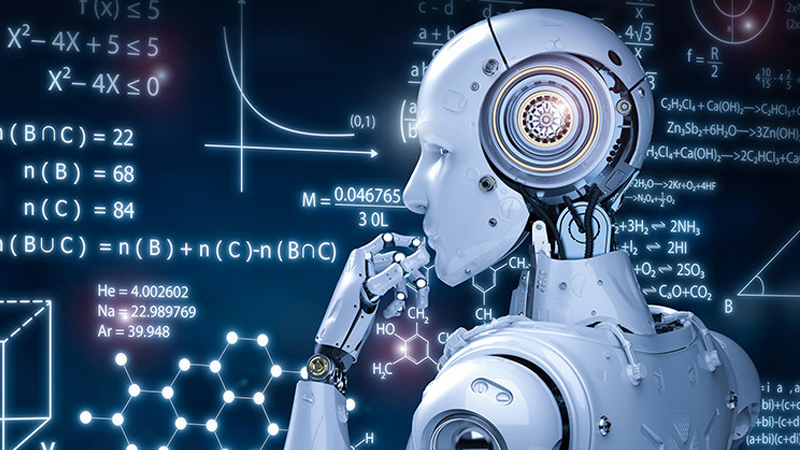
The integration of mechanical engineering and artificial intelligence (AI) is poised to reshape industries and drive innovation across various domains. This convergence offers several exciting possibilities:
1. Design Optimization: AI algorithms can assist mechanical engineers in optimizing product designs. Machine learning can analyze vast datasets and generate design recommendations that prioritize factors like strength, weight, cost, and energy efficiency. This leads to more innovative and efficient designs.
2. Simulation and Prototyping: AI-driven simulations enable engineers to explore a wide range of design variations quickly. This reduces the need for physical prototypes, saving time and resources. Machine learning models can predict how different design choices will impact product performance.
3. Predictive Maintenance: In manufacturing and transportation, AI can predict when machinery and vehicles need maintenance or repairs. This proactive approach minimizes downtime and enhances operational efficiency.
4. Robotics and Automation: AI-powered robots and autonomous systems are becoming integral to manufacturing and logistics. Mechanical engineers collaborate with AI specialists to design and program robots for tasks ranging from assembly to material handling.
5. Smart Manufacturing: The concept of “Industry 4.0” involves the integration of AI and the Internet of Things (IoT) in manufacturing. Mechanical engineers contribute by designing smart factories and production lines that leverage AI for real-time monitoring and process optimization.
6. Energy Efficiency: AI algorithms can help optimize energy consumption in mechanical systems. Mechanical engineers work alongside AI experts to design HVAC systems, lighting, and machinery that adapt to environmental conditions and usage patterns.
7. Human-Machine Interaction: Mechanical engineers collaborate with AI researchers to create user-friendly interfaces and control systems. This includes voice recognition, gesture control, and augmented reality interfaces for improved user experience.
8. Autonomous Vehicles: In the automotive industry, mechanical engineers are pivotal in designing self-driving vehicles. AI is essential for perception, decision-making, and control in autonomous systems.
9. Healthcare Devices: Mechanical engineers use AI in the design of medical devices and equipment. AI-driven diagnostics, robotic surgeries, and wearable health monitoring devices are some examples.
10. Aerospace and Space Exploration: AI enhances spacecraft autonomy, navigation, and control. Mechanical engineers contribute to the development of AI-driven systems for spacecraft and rovers.
11. Environmental Impact: AI helps optimize mechanical systems for minimal environmental impact. Mechanical engineers collaborate with AI specialists to reduce energy consumption and emissions in various industries.
As mechanical engineering and AI continue to converge, interdisciplinary collaboration will be crucial. Mechanical engineers with AI expertise and AI professionals with mechanical engineering knowledge will drive these advancements. Together, they will revolutionize industries, improve product designs, and address global challenges, ultimately creating a more efficient, sustainable, and technologically advanced world.