
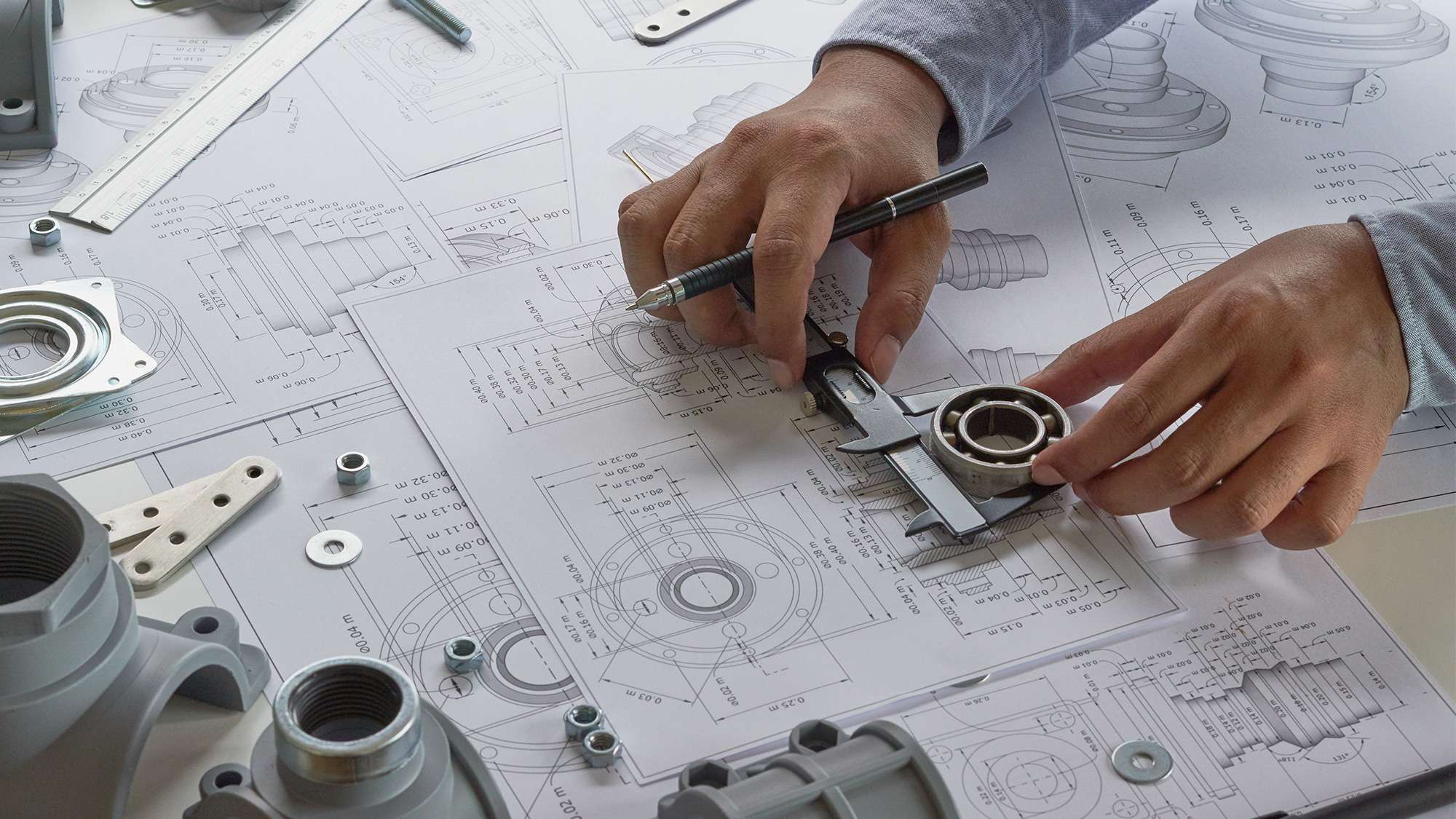
Mechanical engineering is on the cusp of an exciting and transformative future. As technology advances at an unprecedented pace, the role of mechanical engineers is evolving to address new challenges and opportunities. Here are some key aspects that define the future of mechanical engineering:
1. Advanced Materials: Future mechanical engineers will work with cutting-edge materials, such as composites, nanomaterials, and smart materials, to design products that are stronger, lighter, and more durable. These materials will enable innovative solutions across various industries.
2. Sustainable Design: With a growing emphasis on sustainability, mechanical engineers will play a crucial role in designing energy-efficient systems, renewable energy technologies, and environmentally friendly products. They will contribute to reducing our carbon footprint and addressing global environmental challenges.
3. Robotics and Automation: The integration of robotics and automation will continue to expand. Mechanical engineers will design robots and automated systems for manufacturing, healthcare, agriculture, and even space exploration. Collaborative robots (cobots) will become commonplace in various industries.
4. Additive Manufacturing (3D Printing): Additive manufacturing technologies will revolutionize the production process. Mechanical engineers will harness 3D printing to create intricate and customized components, leading to faster prototyping and on-demand manufacturing.
5. Artificial Intelligence (AI) and Machine Learning: AI and machine learning will empower mechanical engineers to optimize designs, predict system behavior, and enhance decision-making processes. AI-driven simulations will lead to more accurate and efficient product development.
6. Internet of Things (IoT): IoT will connect mechanical systems and products, enabling real-time monitoring and data-driven improvements. Mechanical engineers will design IoT-enabled devices for smart homes, smart cities, and the industrial internet.
7. Biomechanics and Medical Devices: Mechanical engineers will continue to make strides in the field of biomechanics, designing advanced medical devices, prosthetics, and wearable technologies that improve healthcare and enhance human capabilities.
8. Space Exploration: Mechanical engineers will contribute to the exploration of space by designing spacecraft, rovers, and habitats for lunar and Martian missions. Space technologies will continue to advance, opening new frontiers for exploration.
9. Electric and Autonomous Vehicles: The automotive industry is shifting toward electric and autonomous vehicles. Mechanical engineers will lead the development of efficient electric propulsion systems and autonomous driving technologies.
10. Human-Machine Interaction: Mechanical engineers will focus on improving the interaction between humans and machines, creating user-friendly interfaces and ergonomic designs that enhance user experience.
In summary, the future of mechanical engineering is marked by innovation, sustainability, and integration with emerging technologies. Mechanical engineers will continue to be at the forefront of designing solutions that improve our lives, protect the environment, and drive progress in various industries. Their adaptability and creativity will be essential in addressing the ever-evolving challenges of the 21st century.