- Customer: Narin Tile Meybod
- Project: Tile Glaze Kiln
- Time: 2023
- Skills Used: SolidWorks, Dimensioning, Reverse Engineering

Tile Glaze Kiln
2021/07/13
1:32 pm
Glaze is a glass-like coating that is applied to the surface of ceramic and tile bodies. Glaze is made from a dry raw material that, after being milled, is mixed with water to form a thin, watery paste. It is then applied to ceramic and tile bodies using various methods and fired in a kiln at a specific temperature. This process enhances the beauty and shine of the final product while also increasing its strength.
Types of glazes based on chemical compositions:
- Lead-containing glazes:
- Lead-containing glazes without boron
- Lead-containing boron glazes
- Lead-free glazes:
- These glazes are fired in the temperature range of 1150 to 1200 degrees Celsius and can be further categorized into boron-containing and boron-free glazes.
Types of glazes based on appearance characteristics:
- Engobe glazes:
- Used on colored bodies to improve the adhesion between the body and the main glaze.
- Majolica glazes:
- These glazes have low hardness, softness, high resistance to corrosion, and dissolution.
- Porcelain glazes:
- Known for their high wear resistance, impact resistance, and strength.
- Matte glazes:
- This group of glazes has high resistance to chemical factors and high hardness.
- Transparent or clear glazes:
- These glazes allow light to pass through easily and are useful for white and uncolored bodies.
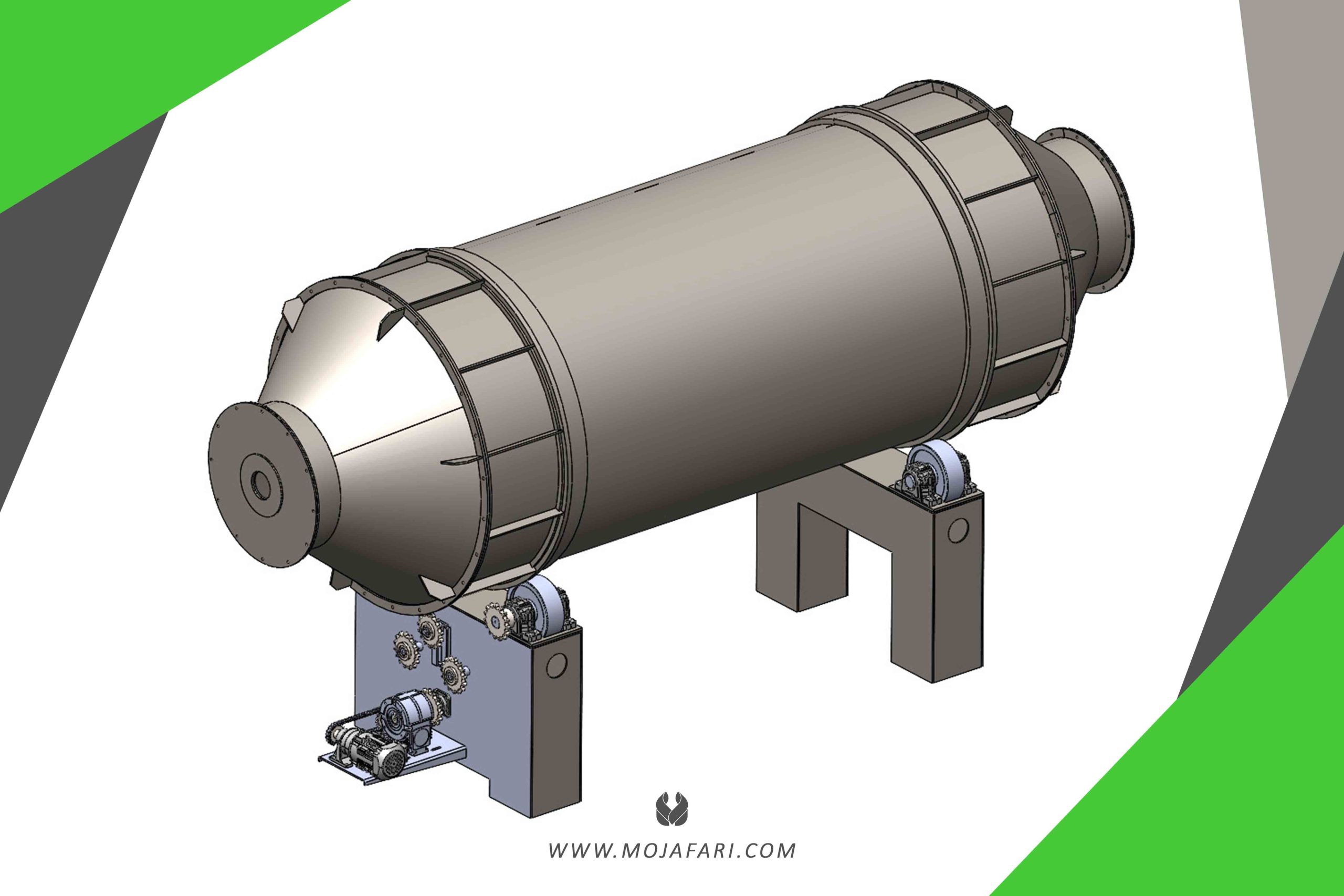
Kilns are commonly used in the ceramic industry to create the glaze required in the production of tiles and ceramics.
Project Gallery
Write Your Comment